


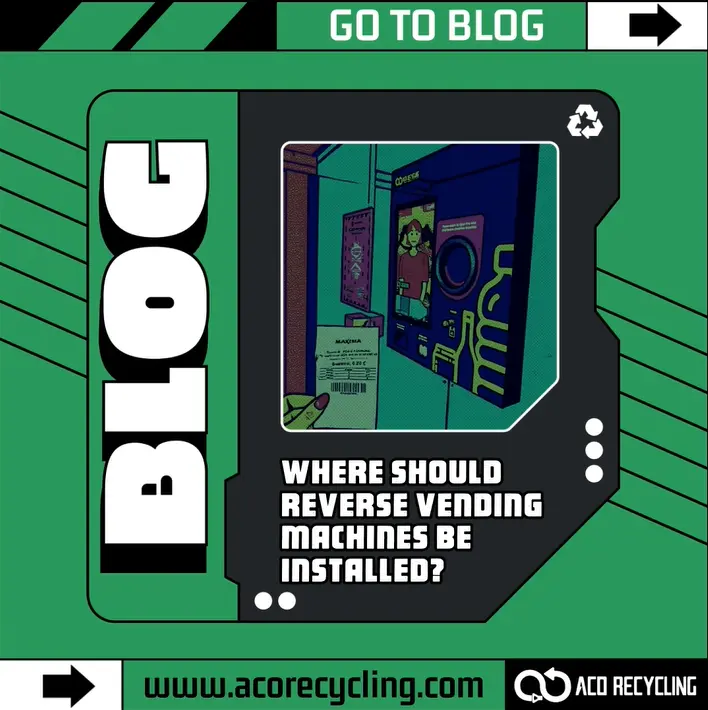
Where Should Reverse Vending Machines Be Installed?
Reverse vending machines (RVMs) are a critical component of modern recycling infrastructure. As deposit return systems and smart recycling technologies expand across the world, the location of reverse vending machines plays a major role in their success.
Strategically placing RVM solutions in high traffic and high consumption areas increases recycling participation, improves waste collection efficiency, and supports sustainable city initiatives.
In this article, we explore the best locations for reverse vending machines and why strategic placement is essential for successful recycling programs.
1. Supermarkets and Hypermarkets
Supermarkets are one of the most effective locations for reverse vending machines. These locations attract large numbers of visitors every day and provide a convenient opportunity for consumers to return empty beverage containers during their regular shopping trips.
When RVMs are installed near store entrances or parking areas, customers can easily return bottles and cans while completing their routine purchases.
Benefits of installing RVMs in supermarkets:
• High daily foot traffic
• Easy integration with deposit return schemes
• Increased recycling participation
• Positive sustainability branding for retailers
Retail locations allow recycling to become part of consumers’ daily routines, which significantly improves collection rates.
2. Shopping Malls and Commercial Centers
Shopping malls are ideal environments for smart recycling solutions. These spaces combine retail stores, restaurants, and entertainment venues, attracting large crowds and extended visitor stays.
Installing reverse vending machines in visible and accessible areas encourages visitors to recycle their beverage containers while they shop or dine.
Many modern RVM solutions also support reward systems, which can provide shopping discounts or digital incentives that motivate consumers to recycle more frequently.
Key advantages:
• High visitor density
• Long visitor dwell time
• Strong visibility for recycling programs
3. Educational Institutions
Schools, universities, and campuses are excellent locations for building long term recycling habits.
Placing reverse vending machines in educational environments helps students become more aware of sustainability practices and responsible waste management.
These locations are especially effective because beverage consumption is high among students, making RVM solutions practical and impactful.
Benefits include:
• Increased environmental awareness
• Student engagement in recycling programs
• Long term sustainability education
4. Office Buildings and Workplaces
Corporate offices are increasingly adopting sustainability and ESG initiatives. Installing reverse vending machines in office environments supports these initiatives while providing employees with easy access to recycling solutions.
Large office populations generate considerable beverage packaging waste each day. With convenient RVM placement in break areas or building entrances, companies can significantly improve recycling rates.
Advantages for workplaces:
• Supports corporate sustainability goals
• Reduces landfill waste
• Encourages responsible employee behavior
5. Public Transport Hubs
Transportation hubs such as train stations, metro stations, airports, and bus terminals experience constant passenger flow.
Travelers frequently purchase bottled beverages while commuting, making these locations highly suitable for reverse vending machines.
By integrating smart recycling systems in transport hubs, cities can maintain cleaner public spaces and improve urban waste management.
Key benefits:
• Continuous user traffic
• High beverage consumption during transit
• Improved public cleanliness
6. Food Courts and Entertainment Areas
Restaurants, stadiums, food courts, and entertainment venues generate large amounts of beverage packaging waste.
Installing reverse vending machines in these high consumption areas provides a quick and convenient recycling option for visitors.
When recycling is easy and accessible, people are far more likely to dispose of containers responsibly instead of littering.
Ideal venues include:
• Food courts
• Stadiums and event venues
• Cinemas and entertainment complexes
Why Strategic Placement Matters for Reverse Vending Machines
The effectiveness of reverse vending machines depends not only on technology but also on strategic placement and accessibility.
Well placed RVM solutions:
• Increase recycling participation
• Improve deposit return system performance
• Reduce littering in public areas
• Support circular economy initiatives
Cities and businesses that prioritize smart placement achieve significantly higher recycling collection rates.
Smart RVM Solutions by Aco Recycling
At Aco Recycling, we develop advanced reverse vending machine solutions designed for flexibility, efficiency, and real world recycling environments.
Our RVM systems range from compact machines for smaller spaces to high capacity solutions designed for busy public locations.
Each system is built to support modern deposit return schemes and help organizations improve recycling performance.
Build a Smarter Recycling Future
Strategic reverse vending machine placement is essential for successful recycling programs. By combining smart technology, convenient access, and sustainability incentives, cities and businesses can dramatically improve recycling participation.
If you are planning to implement a reverse vending machine solution, choosing the right installation locations is the first step toward building a smarter recycling ecosystem.