


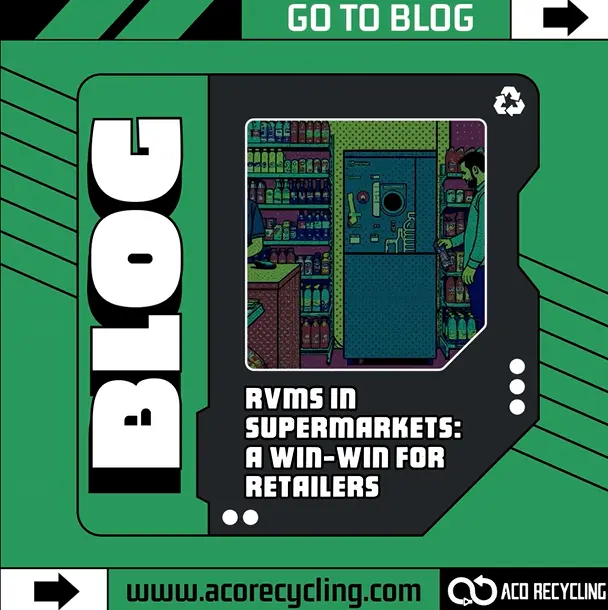
Reverse Vending Machines in Supermarkets: A Win-Win Solution for Retailers and Sustainability
In today’s competitive retail landscape, supermarkets are searching for smarter ways to improve customer experience while meeting growing sustainability expectations. Reverse vending machines (RVMs) have become one of the most effective solutions for combining environmental responsibility with business growth.
By integrating reverse vending machine solutions into supermarkets, retailers can encourage recycling, increase customer engagement, and improve operational efficiency at the same time. These systems support modern recycling infrastructure while helping stores attract environmentally conscious consumers.
How Reverse Vending Machines Improve Customer Experience
Reverse vending machines make recycling easier, faster, and more convenient for customers. Instead of throwing away empty bottles and cans or visiting separate recycling centers, shoppers can return recyclable beverage containers during their regular supermarket visits.
This simple process encourages consistent recycling habits and supports deposit return schemes (DRS), where consumers receive rewards or refunds for returning eligible packaging materials.
Modern reverse vending machines use advanced sensor and recognition technologies to:
- Identify recyclable materials automatically
- Sort bottles and cans accurately
- Validate containers quickly
- Reduce contamination in recycling streams
These smart recycling systems create a cleaner and more user-friendly recycling experience for customers while reducing manual work for retailers.
Increasing Supermarket Foot Traffic and Customer Loyalty
One of the biggest advantages of reverse vending machines in supermarkets is their ability to increase foot traffic. Customers who visit a store to recycle their containers are highly likely to shop there as well.
This creates a direct connection between recycling programs and retail sales performance.
Reward-based recycling systems also help supermarkets strengthen customer loyalty. When consumers receive incentives, discount vouchers, or cashback rewards, they are more likely to return to the same store regularly.
Benefits for retailers include:
- Increased repeat customer visits
- Higher in-store engagement
- Stronger brand loyalty
- Enhanced customer satisfaction
As sustainability becomes more important to consumers, environmentally responsible supermarkets gain a stronger competitive advantage.
Supporting Sustainability and Circular Economy Goals
Retailers worldwide are under increasing pressure to adopt eco-friendly business practices and reduce environmental impact. Reverse vending machines help supermarkets actively support the circular economy by ensuring recyclable materials re-enter production cycles instead of becoming waste.
By implementing RVM technology, supermarkets demonstrate commitment to:
- Sustainable waste management
- Environmental responsibility
- Recycling infrastructure development
- Corporate sustainability targets
These systems also support compliance with deposit return system regulations that are becoming more common across global markets.
How RVM Technology Improves Store Operations
Reverse vending machine technology does more than support recycling. It also helps supermarkets optimize internal operations.
Automated collection and sorting processes reduce the need for manual handling, saving time and labor costs. In addition, many modern RVM systems include real-time data tracking and reporting features.
Retailers can monitor:
- Recycling volumes
- Consumer participation rates
- Peak recycling hours
- Operational performance metrics
This data-driven approach helps supermarkets improve resource planning and operational efficiency while supporting long-term sustainability strategies.
The Future of Retail Recycling Starts with Reverse Vending Machines
Consumer awareness about sustainability and recycling continues to grow rapidly. Supermarkets that invest in reverse vending machines today will be better positioned for the future of retail and environmental compliance.
Reverse vending machines are no longer just recycling tools. They are strategic retail solutions that help businesses:
- Improve customer experience
- Increase foot traffic
- Support sustainability goals
- Strengthen brand reputation
- Prepare for future deposit return schemes
Retailers that adopt smart recycling technologies early can play a major role in building cleaner cities and more sustainable communities while gaining long-term business advantages.
Frequently Asked Questions About Reverse Vending Machines
What is a reverse vending machine?
A reverse vending machine is an automated recycling system that accepts used beverage containers such as plastic bottles and aluminum cans in exchange for rewards, refunds, or deposit returns.
How do reverse vending machines benefit supermarkets?
Reverse vending machines help supermarkets increase customer traffic, improve recycling participation, strengthen sustainability efforts, and optimize operational efficiency.
What materials can reverse vending machines collect?
Most reverse vending machines collect PET plastic bottles, aluminum cans, and glass bottles depending on local deposit return system regulations.
Why are reverse vending machines important for sustainability?
RVM systems help reduce waste, improve recycling rates, and support circular economy initiatives by ensuring recyclable materials are properly collected and reused.