


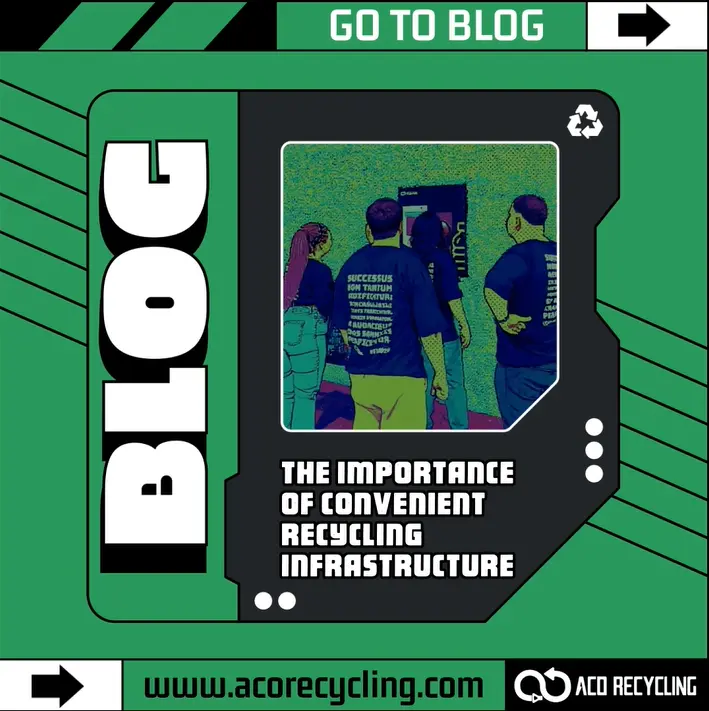
Convenient Recycling Infrastructure: Why Accessibility Drives Sustainability
As urban populations grow and sustainability becomes a global priority, effective recycling habits depend on more than awareness. In fact, accessibility is one of the most important factors. Convenient recycling infrastructure ensures that recycling becomes a natural part of daily life rather than an extra effort.
Moreover, when recycling is easy, fast, and rewarding, participation rates increase significantly. As a result, this supports environmental protection and strengthens circular economy systems.
Making Recycling a Daily Habit
People are far more likely to recycle when recycling points are located in places they already visit. For example, residential areas, shopping centers, transportation hubs, and public spaces are ideal locations for accessible recycling solutions.
However, if recycling requires extra time or effort, even environmentally aware individuals may avoid it. Therefore, convenience removes this barrier and transforms recycling into a seamless daily habit.
In addition, smart technologies are improving recycling accuracy. Modern recycling systems can recognize different materials, provide instant user feedback, and reduce contamination in waste streams. Consequently, this leads to more efficient waste management and higher quality recycling output.
Supporting Deposit Return Systems and Incentive Programs
Convenient infrastructure plays a crucial role in deposit return systems and reward-based recycling programs. For instance, when users can easily return bottles and containers through automated machines, participation increases rapidly.
Furthermore, reward-based recycling adds an extra layer of motivation. These systems encourage long-term behavioral change, reduce littering, and increase material recovery rates. Ultimately, combining accessibility with rewards creates a powerful driver for sustainable habits.
Benefits for Cities and Businesses
Accessible recycling infrastructure helps cities reduce environmental pollution, improve urban cleanliness, and decrease litter in public areas. As a result, cleaner environments contribute to healthier communities and more attractive public spaces.
At the same time, businesses benefit from recycling infrastructure by increasing customer engagement and strengthening sustainability branding. Additionally, retail locations that offer recycling solutions can attract environmentally conscious consumers while supporting corporate sustainability goals.
Smart and Data-Driven Waste Management
Modern recycling infrastructure is becoming increasingly data-driven. For example, smart systems allow municipalities and businesses to track recycling behavior, optimize collection routes, and improve operational efficiency.
In turn, these capabilities reduce costs and support more sustainable waste management strategies over time. Therefore, investing in smart recycling infrastructure is both an environmental and operational advantage.
The Future of Recycling: Smart, Accessible, and Efficient
The future of recycling depends on accessibility and smart design. When recycling infrastructure is convenient and user-focused, people are more likely to participate consistently.
In addition, advanced recycling solutions help build cleaner cities, stronger circular economies, and a more sustainable future. Ultimately, accessibility turns recycling from a simple action into a long-term habit.
Conclusion
Convenient recycling infrastructure is not optional. Instead, it is essential. By combining technology, accessibility, and user-centered design, recycling can become faster, easier, and more effective for everyone.
Most importantly, when recycling is convenient, participation increases. As participation increases, environmental impact improves. Therefore, the path to sustainability starts with making recycling accessible for all.