

Waste Literacy: Why Environmental Education Starts with Your Trash
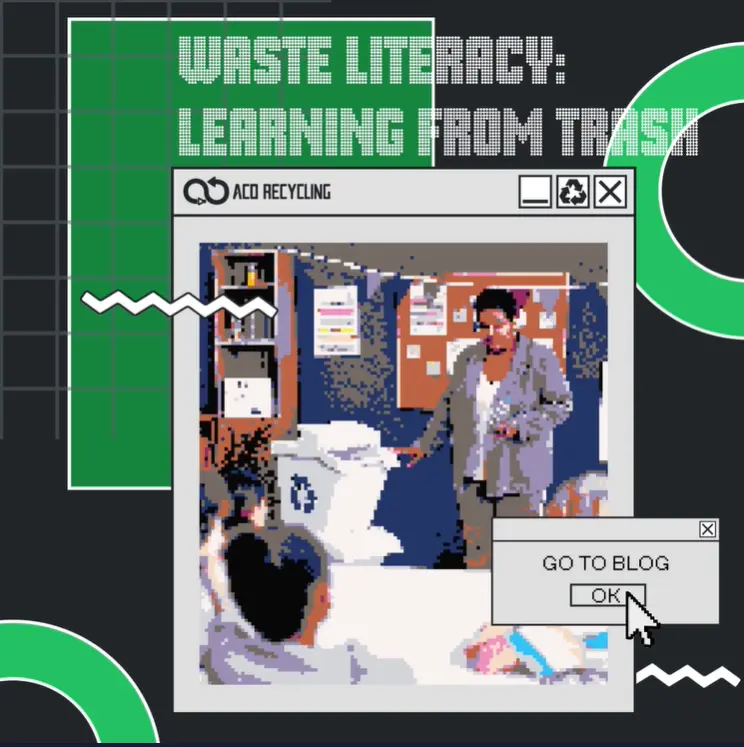
In a world facing growing environmental challenges, awareness alone is no longer enough. Real sustainability begins with understanding everyday waste. Waste literacy, the ability to identify, sort, and manage waste correctly, forms the foundation of impactful environmental education. When people understand their trash, they become active contributors to a cleaner, healthier planet.
What Is Waste Literacy and Why Does It Matter?
Waste is more than something we throw away. It is a key component of the environmental system. Developing strong waste literacy helps individuals and communities:
-
Understand what happens to their trash after disposal
-
Reduce contamination in recycling streams
-
Decrease the amount of waste sent to landfills
-
Support resource conservation and a circular economy
Without proper waste education, many recyclable materials end up lost, mismanaged, or incorrectly sorted. Strengthening waste literacy bridges this gap and encourages more responsible, environmentally friendly behavior.
How Reverse Vending Machines Improve Waste Education
Reverse Vending Machines (RVMs) are widely known for their role in recycling programs, but they also serve as powerful educational tools. Through hands-on interaction with these systems, users receive immediate feedback that reinforces proper recycling habits.
Here’s how RVMs support waste literacy:
-
Instant learning: Users see directly how correct sorting leads to successful recycling.
-
Incentives through deposit return schemes: Refunds or digital rewards motivate people to return beverage containers.
-
Behavior insights: RVMs collect data that helps communities improve waste management strategies.
-
Lifecycle awareness: People learn where their containers go and how recycling benefits the environment.
By turning recycling into an engaging, rewarding activity, RVMs make environmental education more interactive and effective.
Smart Technology for a Sustainable Future
Integrating tech-driven solutions like RVMs into waste education supports modern sustainability goals. These machines enhance recycling efficiency, reduce contamination, and produce higher-quality recovered materials. Deposit return schemes paired with RVMs create a system that motivates sustainable behavior while teaching the value of responsible waste management.
Conclusion
Waste literacy is the first step toward meaningful environmental action. Technologies like Reverse Vending Machines help people learn by doing, transforming everyday recycling into a positive, educational experience. When communities combine waste literacy with smart recycling solutions, they build long-lasting habits that protect the planet.
Every item recycled contributes to a cleaner future. And it all begins with understanding your trash.