


What Is a Reverse Vending Machine? How RVMs Work
A reverse vending machine (RVM) is an automated device that accepts used beverage containers; plastic (PET) bottles, glass bottles, and aluminium cans, and returns a refund, voucher, or digital payment to the user. It reverses the logic of a traditional vending machine: instead of putting money in to get a product out, you put an empty container in and get a monetary reward back.
RVMs are the backbone of Deposit Return Systems (DRS), where consumers pay a small deposit when buying a drink and recover it by returning the empty container through an RVM. This creates a direct, tangible incentive to recycle, and it works remarkably well.
The first fully automated RVM was developed in 1972. Since then the technology has moved from simple barcode readers to AI-powered recognition systems that process containers in milliseconds.
What is a reverse vending machine?
A reverse vending machine is a complete automated system that identifies, validates, sorts, processes, and tracks used beverage containers, while rewarding the user for returning them. It is not a recycling bin with a screen, it is point-of-return infrastructure that separates materials cleanly and produces high-quality recyclate suitable for new packaging.
In return for each container, the user receives a refund, store voucher, or digital payment, depending on the deposit scheme in place.
How does a reverse vending machine work?
RVMs follow a clear five-step process:
- Insert the container. The user places an empty bottle or can into the machine’s intake.
- Identification and validation. The machine confirms the container is eligible using several methods at once:
- Barcode scanning to confirm eligibility.
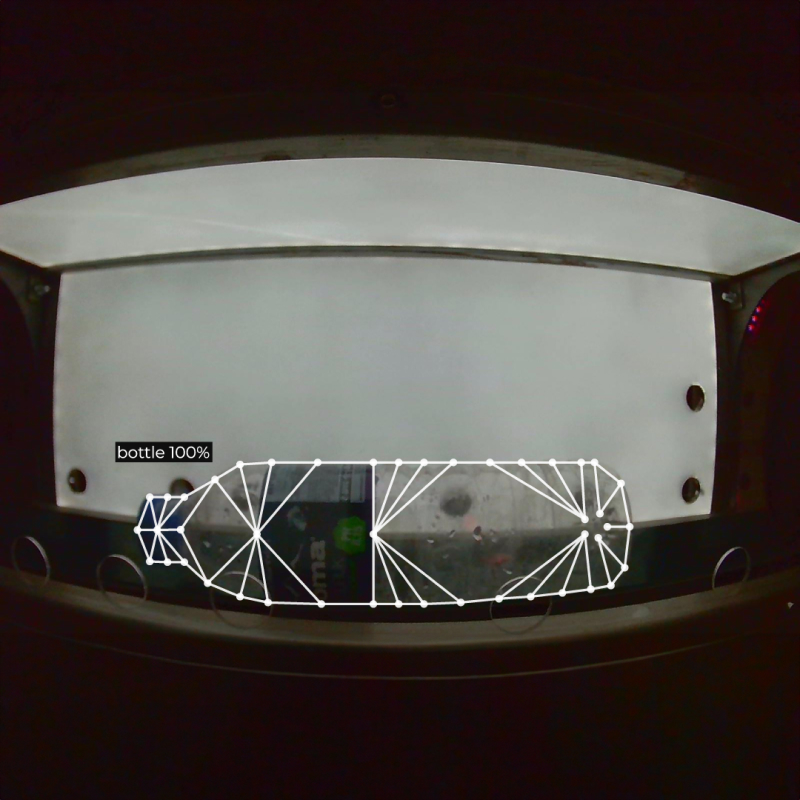
- AI image recognition that analyses shape, material, colour, and condition via computer vision.
- Weight and material sensors to verify container type.
- Anti-fraud detection to prevent manipulation and counting errors.
- The machine then sorts the validated container into PET, glass, or aluminium streams to maintain material quality and reduce contamination.
- The machine crushes non-refillable containers, reducing their volume by up to 90% and lowering storage and transport requirements.
- Reward issued. The machine prints a receipt or transfers the deposit digitally, redeemable as in-store vouchers, electronic fund transfers, charitable donations, or loyalty points.
ACO Recycling became the first company in the world to develop an AI Recognition Module specifically for reverse vending machines and deploy it across both deposit and non-deposit markets. ACO machines combine 360° barcode reading with AI-driven image analysis to achieve high accuracy even on crushed or deformed containers.
What happens to the container after it is returned?
Once processed:
- Collection operators transport refillable containers back to bottlers or manufacturers for cleaning and refilling.
- Collection operators send non-refillable containers to processing facilities, where workers wash, shred, and prepare them as raw material for new packaging.
Recycling facilities ensure materials meet strict quality and hygiene standards before manufacturers reuse them in new packaging.
Why do RVMs achieve such high return rates?
RVMs help Deposit Return Systems consistently achieve container return rates of 70–90%, with even higher rates in some markets.The reason is simple: convenience plus incentive equals behaviour change. RVMs sit in supermarkets and retail stores people already visit, the process is quick and clean, and the immediate financial return reliably drives participation.
This is backed by hard data: Reloop’s December 2025 fact sheet, Deposit Return Systems: Key Factors Impacting Performance, analysing 32 deposit systems, found median return rates climb directly with the deposit value, from 69% where deposits are €0.05 or less to 90% where they are €0.11 or more. A meaningful, immediate refund is one of the most effective drivers of recycling participation.
What role does AI play in RVMs?
The biggest shift in RVM technology over the past decade is the integration of artificial intelligence. Earlier machines relied solely on barcodes and rejected containers with damage, dirt, or unreadable barcodes. AI-powered machines now identify containers by analysing their shape, colour, material, and weight, regardless of barcode condition. This delivers:
- Fewer false rejections for consumers
- Greater sorting accuracy
- Better fraud prevention through pattern recognition
- Remote monitoring and predictive maintenance via IoT connectivity
ACO Recycling’s V5 remote management platform gives operators real-time visibility into machine performance, fill levels, and operational data, allowing them to manage fleets proactively at scale.
Benefits at a glance
| Stakeholder | Key benefits |
|---|---|
| Environment | Clean material separation (PET, glass, aluminium); high-quality recyclate; less landfill, litter, and ocean plastic; lower demand for virgin materials |
| Consumers | Located at point of purchase; fast, clean, easy to use; tangible financial return |
| Operators / retailers | Automated collection; up to 90% less storage space via compaction; digital reporting for compliance; easy cleaning and maintenance |
In summary
A reverse vending machine identifies, sorts, processes, and tracks beverage containers while incentivising the public to recycle. As more countries expand their Deposit Return Systems, RVMs are becoming essential infrastructure, bridging consumer behaviour and environmental outcome by making the right choice the easy choice.
ACO Recycling designs and manufactures high-tech reverse vending machines built for modern DRS programmes. Learn more at acorecycling.com.
Frequently asked questions
What is a reverse vending machine in simple terms?
It is a machine you put empty drink bottles and cans into, and it gives you a refund or reward back for recycling them.
How does a reverse vending machine work?
It then sorts the container by material, compacts it, and provides the user with a refund in the form of cash, a voucher, or a digital payment.
Do you get money from a reverse vending machine?
Yes. In a Deposit Return System the machine refunds the deposit you paid at purchase, redeemable as an in-store voucher, electronic transfer, donation, or loyalty points.
What containers do reverse vending machines accept?
Reverse vending machines accept PET plastic bottles, glass bottles, and aluminium cans included in the deposit scheme. In addition, AI-powered systems recognise containers even when consumers crush or deform them, or when their barcodes are damaged.
What return rates do RVMs achieve?
Deposit Return Systems using RVMs consistently achieve 70-90% container return rates, and higher in some markets.
When was the first reverse vending machine developed?
Manufacturers introduced the first fully automated RVM in 1972.